
Practice on your schedule
Make time for a few focused swings before work or settle into a longer session when the day allows.
Golf Simulator Construction Specialist
Premium golf simulator environments begin with a careful understanding of the space, the people who will play, and the experience they want.
Zarka's specialty includes room evaluation, construction planning, simulator framing, impact and protection systems, turf, finish carpentry, and coordination within a clearly defined scope.
Built with precision. Delivered with integrity.
It’s more than a simulator
The best rooms are not defined by the equipment inside them. They are defined by how naturally they invite you to play.
We don't build golf simulators. We build the spaces where great golf happens.
Make time for a few focused swings before work or settle into a longer session when the day allows.
Play after dinner, share the room with family, or give friends a reason to stay for another nine.
A thoughtfully built room can feel equally natural for practice, a casual round, or time with clients.
Create a lasting space where improvement, competition, and the simple pleasure of playing can continue indoors.
Room evaluation and planning
A strong simulator environment depends on the room dimensions, player position, impact area, protection, surfaces, lighting, and known technology requirements being considered together.
PLANNING / 01
Planning cannot guarantee every outcome, but it can identify conflicts early, clarify responsibilities, and support a simulator space that feels considered rather than improvised.
Zarka's scope does not include equipment sales, architectural or engineering services, permit authority, or responsibility for an entire facility. Responsibilities are confirmed in writing.
What we build
Zarka's work is centered on the simulator environment: the preparation, impact area, protection, playing surface, carpentry, and finish details that allow the room to work as intended.
Work may be considered in homes, teaching studios, commercial golf spaces, entertainment venues, simulator businesses, country clubs, and training environments. Zarka's responsibility is limited to the scope agreed for the simulator environment.
Defined specialty-construction scopes that bring the playing area, impact environment, protection, turf, and finished details together for the individual space.
Room preparation and framing for simulator environments, including screen structures, attachment needs, clearances, and approved finish conditions.
Impact-screen structures, custom layered impact screens, curtains, and related enclosure details planned for the room and intended use.
Protective wall and ceiling systems developed around missed-shot coverage, durability, access, and integration with adjacent finishes.
Turf, stance areas, hitting surfaces, seams, and floor transitions coordinated with player position and the finished room.
Finish carpentry, trim, curtains, transitions, and final detailing that help the simulator environment feel considered and complete.
Construction planning, documented assumptions, and coordination with equipment providers or qualified trades when the agreed scope requires it.
The specialist difference
Equipment alone does not resolve the room. Zarka evaluates how player position, impact systems, protection, surfaces, access, and finish details need to work within the actual space.
The simulator environment is planned before specialty construction begins. Equipment purchasing, permits, professional design services, and work by licensed trades remain separate unless a written scope explicitly assigns a responsibility.
How we approach the work
A project can begin with an on-site consultation or a guided remote room review. The purpose is to understand the space, identify constraints, and define what Zarka may reasonably include before any construction commitment is made.
Begin with the people who will play, the existing conditions, known equipment information, and the experience the environment should support.
Plan the player position, impact area, protection, turf, finish details, access, and any required coordination before work begins.
Carry out the documented Zarka scope with attention to framing, impact systems, protection, surfaces, carpentry, and finish quality as applicable.
Confirm the finished Zarka scope against the plan and identify any remaining equipment-provider or qualified-trade responsibilities.
On-site consultation
When the location and potential scope make it appropriate, an on-site review helps document existing conditions, intended use, constraints, and the simulator-environment work under consideration.
Guided remote room review
A guided review uses measurements, room photographs, intended players, and known equipment information shared during follow-up. A remote review is an initial evaluation, not a final construction determination.
Zarka uses CapProof within its field-documentation process to support organized evidence and clearer project communication.
Real work
Good work deserves honest proof. As Zarka's simulator rooms move from planning through construction, founder-owned photography will tell each project's real story.
Only approved photographs from actual Zarka projects will appear here as the body of finished work grows.
Planning
The room, the people who will play, and the experience they want guide the earliest decisions.
Craft
Real construction progress reveals the care behind the surfaces, transitions, protection, and finish details.
Play
Completed rooms become places for focused practice, a round with friends, and time well spent.
Construction experience behind the specialty
Decades of hands-on construction, finish carpentry, renovation, painting, and field work inform the way Zarka approaches simulator environments. That experience supports careful specialty work without implying responsibility for an entire building project.
Existing conditions, intended players, and known equipment requirements are considered before a specialty-construction scope is proposed.
Framing, impact systems, protection, turf, curtains, trim, and finish details are approached as parts of one simulator environment.
Scopes identify Zarka's work, customer or equipment-provider responsibilities, and any qualified-trade coordination the project may require.
Organized assumptions and field documentation help customers and project participants understand decisions, progress, and remaining responsibilities.
Inside the Build
Follow real simulator environments through the decisions, craftsmanship, and details that shape how they will play.
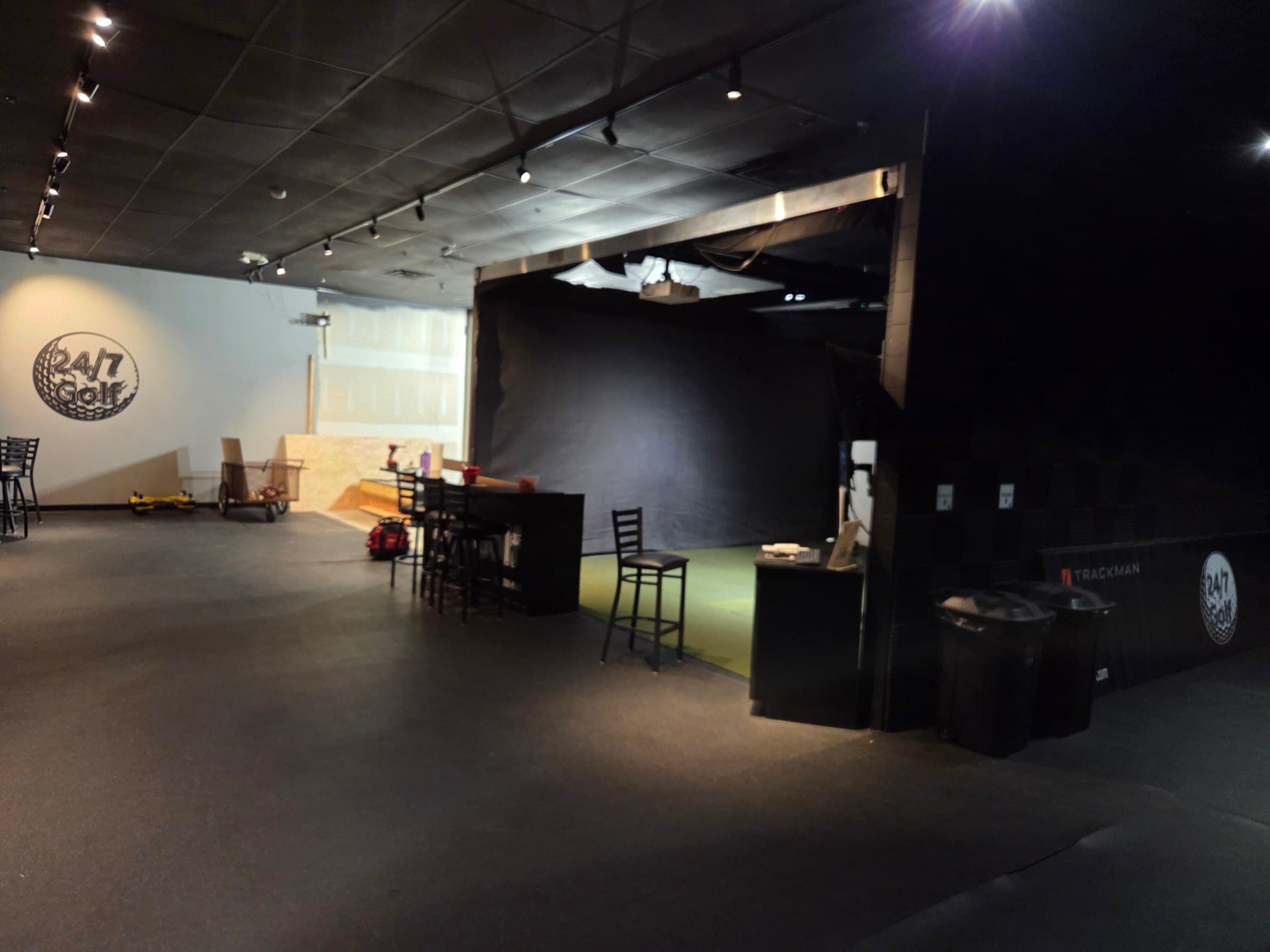
An existing commercial golf simulator facility was reconfigured to improve function, durability, and the overall player experience. The work included upgrading simulator-bay components, improving protection systems and flooring, reusing serviceable materials where practical, and adapting the layout to support additional bays and a more efficient use of the space.
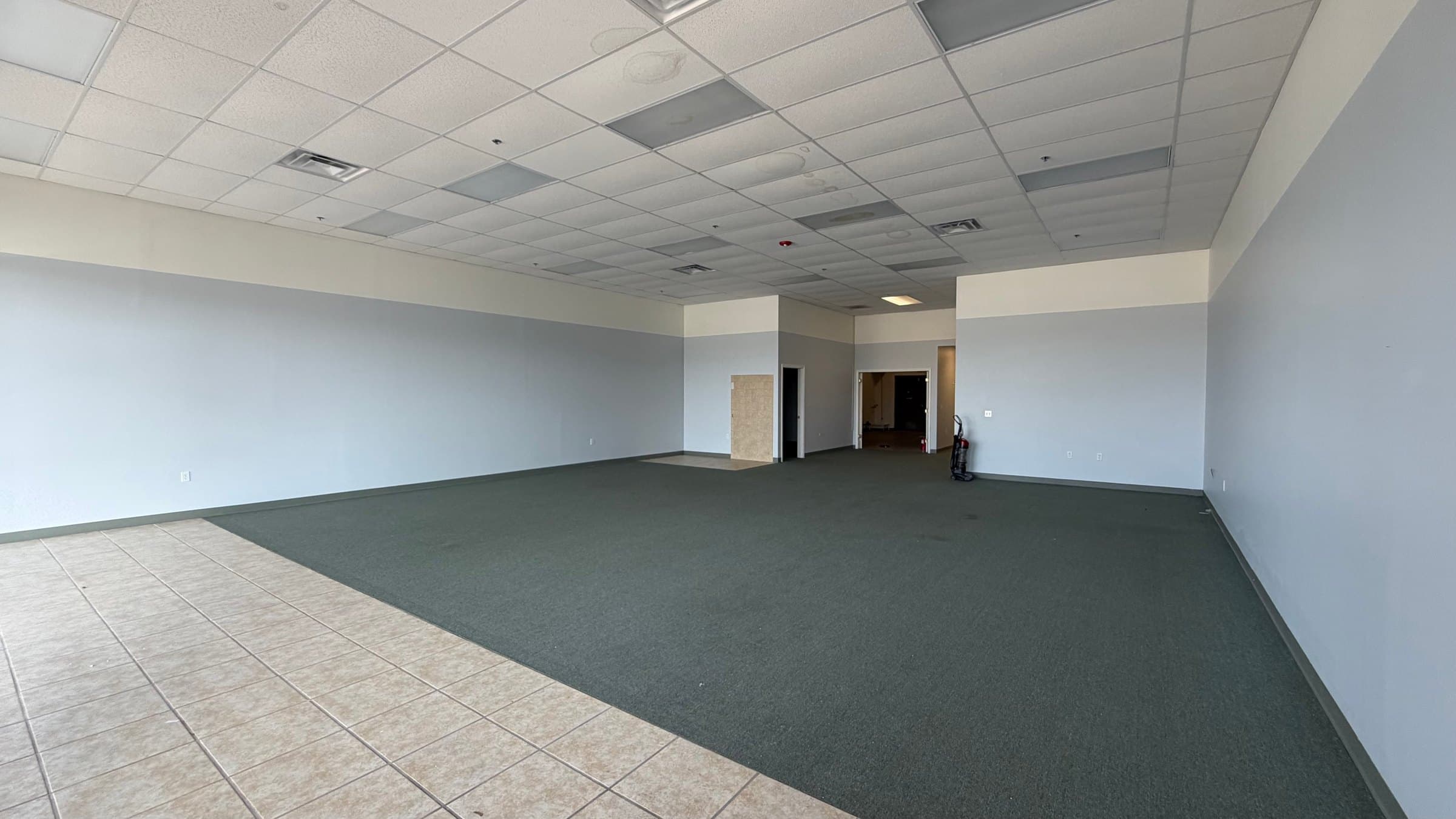
Social Golfer is a four-bay commercial indoor golf destination in Petoskey, Michigan. Zarka Construction is completing the specialized construction work that transforms the simulator areas into durable, professionally finished golf environments—including impact-screen framing, wall and ceiling protection, underlayment, turf, hitting surfaces, and finish details. Once our construction scope is complete, the bays will be ready for installation and commissioning of the Trackman simulator technology.
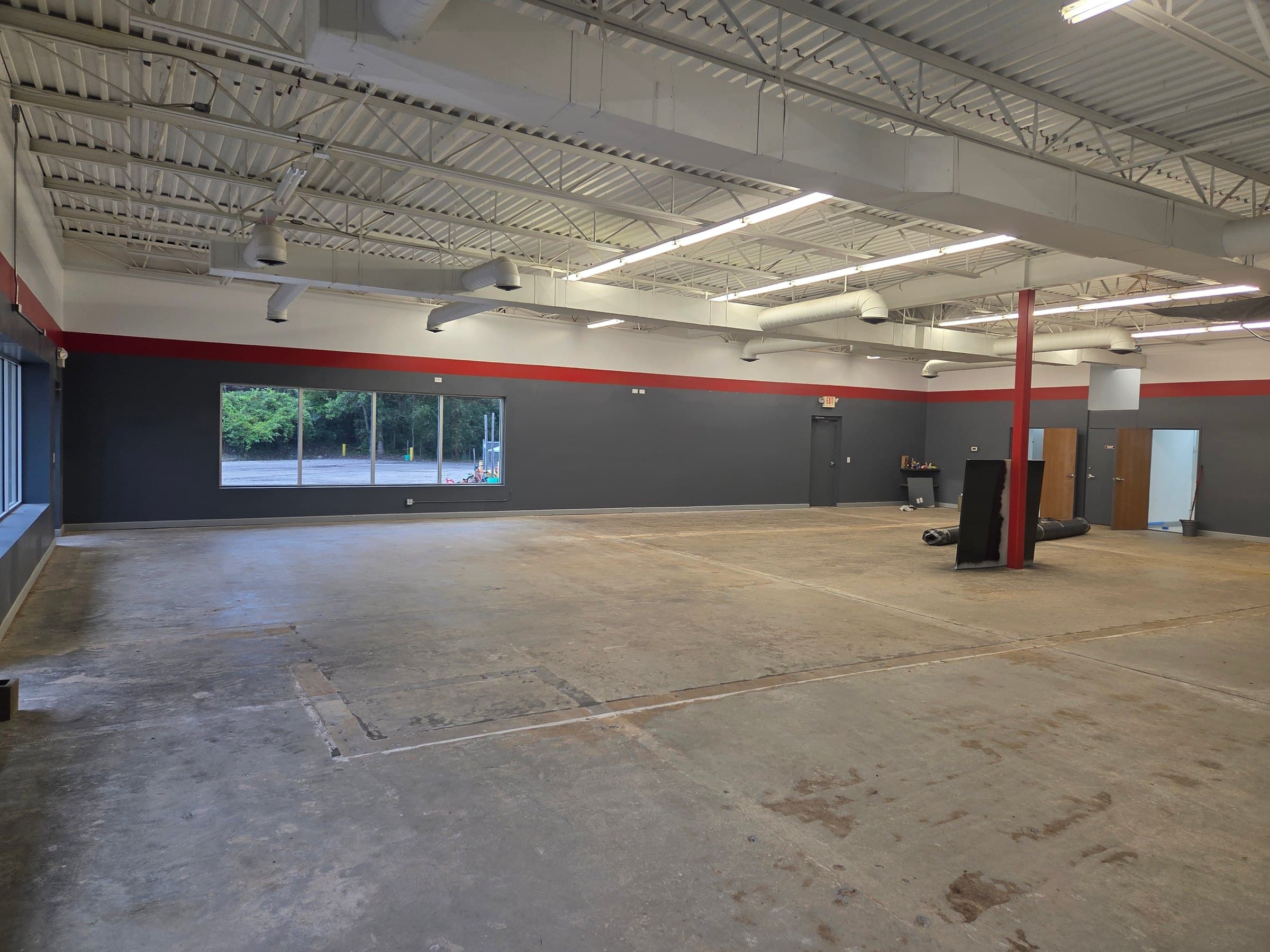
Albatross Golf is creating an indoor golf destination in Mason, Michigan, with two purpose-built simulator bays and a future retail area. Inside the Build follows the room from existing conditions through simulator construction, finish work, technology coordination, and the completed golfer experience.
Latest progressDocumenting the Starting Point
About Zarka
Zarka Construction brings decades of hands-on construction experience, attention to detail, craftsmanship, and a genuine love of golf to the work of creating simulator environments.
The approach is straightforward: listen to how the customer wants to use the space, study the room carefully, communicate what is practical, and complete the agreed work with care. When a project needs equipment expertise or a qualified trade outside Zarka's scope, that responsibility is identified rather than overstated.
Start with a conversation about the space.
Share how the space will be used, who will play, its general location, known equipment information, and any current constraints. Zarka will use the first conversation to understand potential fit—not to push an equipment package.
Request a Simulator Consultation